


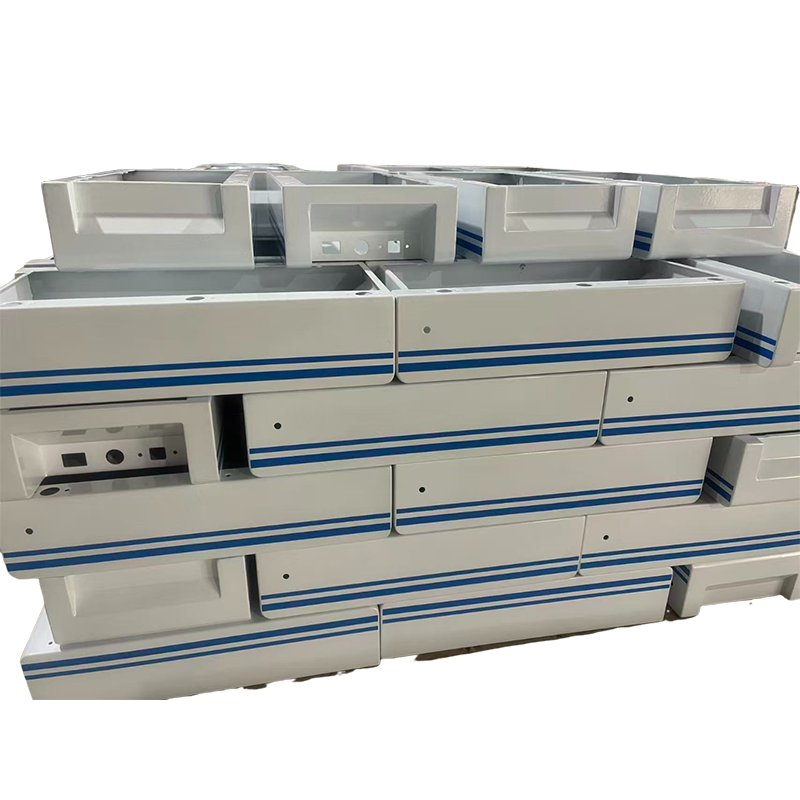




Unbox a premium modern smartphone or a high-end camera body today. You will instantly feel the cool, sleek satin metal surface under your fingertips. The vibrant, rich color does not scratch off like cheap spray paint. It feels completely integrated into the aluminum housing itself. How do top global brands achieve this perfect blend of striking beauty and rugged durability? They do not use standard liquid paints or powder coatings for precision electronics.
Instead, high-tier product designers rely on advanced electrochemical surface modifications. Specifically, integrating professional OEM CNC anodizing color solutions transforms ordinary machined components into luxury market assets. This comprehensive engineering guide explains how advanced colorful anodizing optimizes your custom product line.
The Chemistry Behind Precision Anodizing Processes
Many people assume that anodizing is just a fancy type of decorative metal dyeing. However, the underlying science involves controlled electrochemical surface oxidation.
Building the Oxide Layer
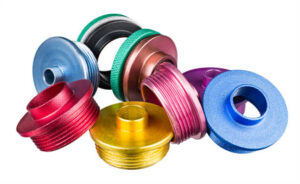
Unlike painting, anodizing does not add a separate layer on top of the metal. The process actually converts the raw aluminum surface into aluminum oxide. Technicians submerge the durable anodized aluminum parts into an acid electrolyte bath. Then, they pass an electric current through the chemical solution. This reaction creates millions of microscopic pores across the metallic surface.
Trapping the Color Pigments
These open microscopic pores act like tiny, empty honeycomb cells. Machinists submerge the porous metal into specialized organic or inorganic dye tanks. The liquid dye fills these microscopic cavities completely. Finally, the parts go into a boiling water sealing bath. This step closes the pores permanently, locking the color inside the metal structure forever.
Key Technical Benefits for Modern Product Designers
Why do automotive, aerospace, and consumer electronics brands insist on this specific surface treatment? The practical advantages span far beyond basic visual appeal.
Total Resistance to Everyday Wear and Scratching
Aluminum oxide behaves similarly to natural sapphire gemstones regarding physical hardness. This converted surface layer resists heavy abrasion beautifully. It will not peel, flake, or chip away under harsh daily usage. Therefore, your product maintains its brand-new appearance even after years of continuous handling.
Eliminating the Threat of Corrosion
Raw aluminum reacts naturally with ambient moisture and salt air. This reaction creates ugly white chalky corrosion spots over time. The anodized barrier seals the base metal away from harmful oxygen molecules. Consequently, it stops rust and chemical degradation completely, even in harsh marine environments. You can study these atmospheric chemical reactions further by reading our Guide to Marine-Grade Metal Surface Testing.
Comparing Industrial Surface Finishing Methods
Selecting the wrong finishing method can ruin your product development cycle. The engineering table below contrasts common aluminum treatment options.
| Surface Performance Attribute | Standard Liquid Spray Painting | Powder Coating Methods | Premium CNC Anodizing Colors |
| Coating Thickness Layer | Thick (Alters critical dimensions) | Thick (Can clog tight threads) | Ultra-Thin (Preserves micron tolerances) |
| Risk of Flaking or Peeling | Extremely High | Moderate (Can chip on edges) | Zero (The finish is part of the metal) |
| Surface Hardness Rating | Low | Moderate | Outstanding (Resists heavy scratching) |
| Metallic Texture Retention | Poor (Hides the premium metal feel) | Moderate | Maximum (Highlights CNC machine lines) |
| Long-Term UV Stability | Poor (Fades quickly in the sun) | Moderate | Excellent (Resists fading beautifully) |
Achieving Absolute Color Consistency in Bulk Production
The biggest challenge in surface finishing involves maintaining exact color matching across massive production batches. Experienced product engineers know this hurdle well.
The Impact of Aluminum Alloy Selection
Different metal alloys react uniquely inside the electrochemical tanks. For instance, 6061 aluminum anodizes beautifully with bright, clear colors. Conversely, 7075 aluminum contains high copper levels, which creates a slightly darker base tint. Therefore, you must use identical metal batches to guarantee perfect color harmony.
Controlling Tank Chemistry and Voltage Parameters
Minor changes in acid temperature or voltage will alter the final shade significantly. Top-tier finishing shops utilize automated computer tracking systems. These sensors stabilize the chemical balance every single second. This rigorous control ensures that part number one matches part ten thousand perfectly. Learn how to calibrate these settings by studying our Industrial Anodizing Tank Calibration Protocol.
Essential Checklist for Anodizing Procurement Managers
Procurement directors must look past basic color charts when selecting a manufacturing vendor. Avoid choosing cheap workshops that lack proper quality control instrumentation.
-
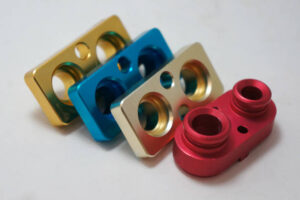
Verify the Oxide Layer Thickness: Specify 5 to 10 microns for interior electronics or 25+ microns for rugged outdoor tools.
-
Inspect the Racking Mark Strategy: Ensure technicians place electrical contact points on hidden internal surfaces.
-
Demand Strict Dimensional Inspection: Confirm the supplier measures thread tolerances after the anodizing process expands the metal.
-
Check Environmental Compliance: Ensure the factory utilizes eco-friendly, hexavalent chromium-free sealing chemicals.
The Financial ROI of Premium Anodizing Solutions
Some startup founders hesitate when reviewing the initial cost of custom anodizing setups. However, investing in quality finishes saves immense amounts of money over the long term.
Reducing Product Defect Return Rates
Cheap painted coatings fail during shipping or final assembly line handling. These cosmetic rejects force factories to scrap completed items, wasting valuable capital. Because anodized finishes endure rough handling effortlessly, your factory scrap metrics drop to near zero. This reliability protects your initial manufacturing margins perfectly.
Commanding Higher Retail Price Points
Modern consumers associate the crisp feel of cool, colorful metal with elite luxury brands. They willingly pay high premiums for items that look and feel robust. Utilizing custom metal colors allows you to position your inventory inside the lucrative premium market tier. Ultimately, this upgraded brand status boosts your overall company profit margins significantly.
Selecting Your Global CNC Machining Partner
Sourcing reliable aluminum surface finishing requires finding a manufacturer that handles both machining and anodizing under one roof. Split supply chains lead to finger-pointing when a part fails inspection.
Look for partners who utilize automated optical color spectrometers to verify color accuracy. This scientific testing guarantees that your incoming deliveries will match your corporate brand guidelines flawlessly.
Final Thoughts
The international product market is more crowded and competitive than ever before. To stand out, your hardware must deliver flawless mechanical performance alongside stunning visual style.
Ultimately, sourcing premium CNC anodizing color solutions protects your long-term engineering investments. It provides the striking beauty, extreme hardness, and lifetime corrosion resistance that modern consumers demand.
Do you need technical assistance choosing the ideal aluminum alloy for your upcoming colorful product launch? Contact our application engineering team today for a complimentary blueprint material consultation.