






Executive Summary: Sub-Micron Metal Milling Secure Fleet Airworthiness
Deploying premium aluminum cnc machining parts guarantees absolute structural reliability for modern commercial aircraft components. Indeed, relying on legacy manual milling equipment introduces dangerous dimensional deviations across complex wing ribs.
Meeting strict aerospace precision requirements requires continuous, multi-axis computerized cutting movements across tough metal blocks. Consequently, advanced manufacturing hardware delivers this absolute structural accuracy, eliminating structural part failures under high flight stress.
[Standard Manual Milling] ---> High Thermal Expansion ---> Structural Flaws / Cracks ---> Fleet Grounding Risks |
Therefore, upgrading to automated multi-axis cutting centers represents the smartest production decision for aviation suppliers today. Relying on outdated machinery simply leads to rejected quality control batches, destroying your commercial defense contracts.
This technical metalworking brief details our precision machining conclusions first, then explores underlying aeronautical engineering physics. We will evaluate multi-axis surface tooling paths, advanced material selections, and the value of laser verification machinery below.
Overcoming Structural Stress Failures with Advanced Multi-Axis Tooling Paths
Every aviation engineer understands the extreme danger of encountering hidden metal fatigue cracks during routine fleet inspections. Standard three-axis cutting setups require operators to reposition raw metal workpieces manually between cutting steps.
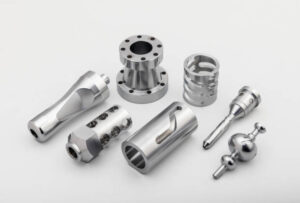
When your shop technicians manually move delicate aerospace components, you introduce tiny alignment errors between features. Utilizing advanced 5 axis cnc milling for aircraft completely eliminates this dangerous human positioning error in production.
The smart cutting computer manipulates the raw metal block along five distinct spatial angles simultaneously. Furthermore, this fluid movement allows the diamond cutting tools to carve out complex curved turbine profiles smoothly.
Your shop delivers uniform engine components that handle intense flight vibrations without cracking over time. Individual structural batches pass strict aviation safety inspections because the milling paths remain perfectly continuous throughout production.
Mastering High-Strength Performance Using Aerospace Grade Aluminum Alloys
True aerospace components must endure blistering high altitude freezing cold while keeping total structural weight incredibly light. Heavy steel alloys weigh down commercial cargo hulls, increasing fuel consumption rates quite drastically during long international flights.
Sourcing verified aerospace grade aluminum alloys solves this weight problem while matching structural steel strength parameters perfectly. Modern manufacturing facilities utilize premium 7075 and 6061 tempered metal variations for critical internal fuselage frameworks.
[Raw 7075 T6 Aluminum Alloy Block] --> Multi-Stage Thermal Aging --> High Tensile Yield Strength --> Resists Extreme Flight Loads |
These specialized structural metals accept sharp precision cuts beautifully without tearing along thin interior walls. As a direct result, your finished components achieve excellent strength-to-weight ratios, maximizing your overall aircraft fuel range profiles.
You can design ultra-thin wall structures safely, reducing excess metal weight without sacrificing interior cabin safety. The premium alloy raw materials resist deep atmospheric corrosion far better than basic industrial steel blends, saving maintenance capital.
Securing Perfect Component Fits via Tight Tolerance Aerospace Manufacturing
Modern avionic instruments require perfectly sealed metal enclosures to protect delicate digital circuit boards from atmospheric pressure drops. Minor gaps around structural housing seals let damaging moisture seep inside during rapid airplane descents.
Deploying specialized tight-tolerance aerospace manufacturing protocols protects your internal electronic instruments from harsh environmental damage. Advanced milling centers maintain cutting tolerances tighter than plus or minus two microns constantly.
-
High-Speed Ceramic Spindles: Run over twenty thousand rotations per minute to eliminate tool chatter marks on raw metal surfaces.
-
Thermal Expansion Compensation Software: Adjusts tool offsets automatically in real time as environmental factory temperatures fluctuate.
-
Cryogenic Coolant Delivery Jets: Spray specialized freezing fluids directly onto cutting edges to prevent part warping during deep cuts.
-
Carbide Endmills with Specialized Coatings: Resist abrasive wear from tough alloy chips to maintain identical cutting dimensions across thousands of parts.
Calibrating Cutting Speeds to Prevent Internal Metal Stress
Achieving pristine metal surfaces requires matching your spindle rotation speeds to the exact hardness of your alloy selection. Learn more about calculating chip load parameters to prevent creating hidden micro-fissures during aggressive metal removal passes.
Erasing Tool Deflection Errors and Minimizing Component Waste
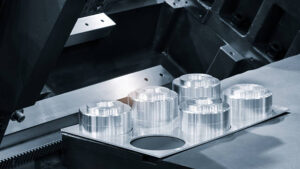
Running intense high-volume production lines on flimsy machine beds creates massive physical flexing forces during deep pocket cuts. This unwanted mechanical movement causes the cutting tool to deflect slightly away from its intended digital path coordinates.
Fortunately, modern heavy-duty cast iron machine bases act as solid vibration dampeners during high-pressure metalworking operations. The cutting head stays completely rigid, keeping your custom part geometry flawless according to your original digital blueprints. Read our metallurgy guide on eliminating machining vibration harmonic errors to protect your expensive aerospace tooling setups today.
[Flimsy Sheet Metal Framework] ---> High Mechanical Harmonics ---> Causes Cutter Deflection ---> High Scrap Material Waste |
Additionally, double-check your automatic tool wear monitoring sensors before launching automated lights-out manufacturing shifts overnight. Ensuring your computer swaps out worn drills automatically prevents catastrophic part gouging accidents if a carbide tip breaks.
The Commercial Return of Investing in High-Tier Precision Metalworking
Purchasing top-tier manufacturing equipment delivers massive long-term financial advantages for expanding military component suppliers over time. Successful supply chain executives look past initial machine procurement prices to calculate total waste reduction savings.
First, absolute cutting accuracy drops your component rejection rates down to zero percent during third-party lab testing. When your parts match print dimensions perfectly on the first run, you eliminate costly material scrap costs. This efficiency protects your manufacturing profit margins.
Second, operating fast multi-axis milling centers speeds up your total factory throughput times quite significantly. You can deliver urgent replacement components to grounded airlines rapidly, earning high premium rush-order fees. Your production machinery stops being a basic capital expense and becomes a core engine of business growth.
Lead the Aviation Market with Certified Quality Parts
Looking back at our engineering analysis, the manufacturing data proves automated milling systems are completely mandatory. Upgrading to multi-axis setups removes the human positioning errors that ruin component tolerances on older equipment.
By choosing elite aluminum cnc machining parts, you secure total structural control across your production lines. Relying on verified aerospace precision requirements ensures your factory outputs perfect components while keeping material waste low. Invest in professional-grade five-axis cutting networks today to safeguard your contracts, optimize your workflows, and dominate the market.