


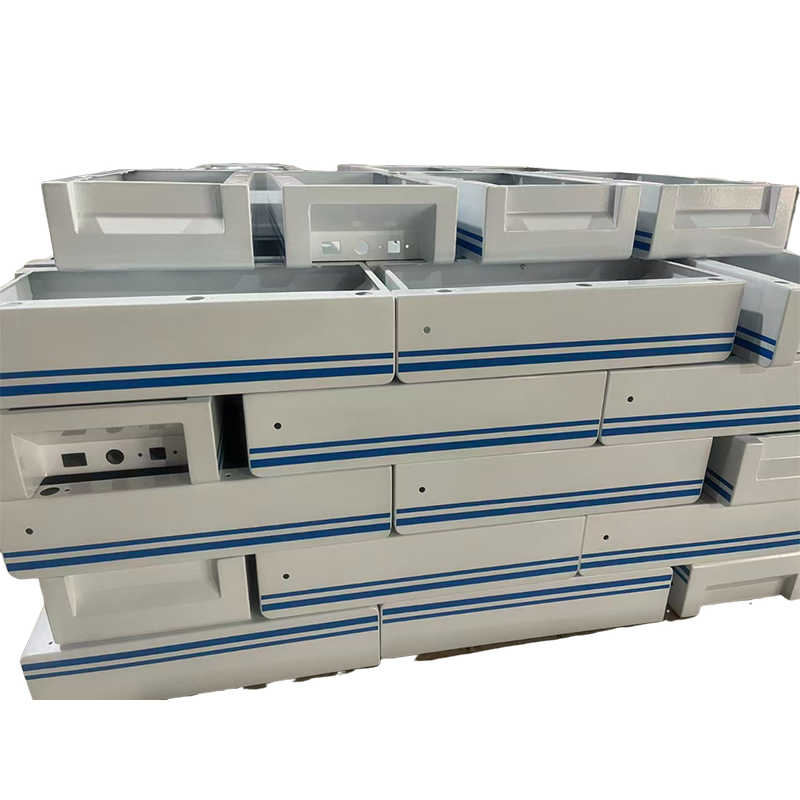




Deploying an advanced metal casting process enhances near-net-shape accuracy, eliminates excessive material waste, and reduces secondary machining costs across complex industrial component manufacturing. Featuring high-precision investment casting methods, micro-alloying techniques, and integrated computer numerical control finishing, modern foundry technology maximizes structural integrity. Partnering with an ISO9001 certified precision manufacturing partner provides outstanding commercial value, enabling automotive engineers, medical equipment designers, and communications equipment manufacturers to source high-strength metal parts affordably today.
This full-service precision metal casting system satisfies strict environmental hazardous substance restrictions (lead-free compliance and ISO9001 quality assurance standards) while achieving tight tolerances down to zero point zero two millimeters. Meanwhile, automated coordinate measuring machine inspection protocols verify internal density and microstructural integrity across every production lot. As a result, engineering teams minimize total landed part costs while securing durable, budget-friendly component manufacturing solutions today. Explore our complete product-category catalog to order precision cast and machined metal components online now.
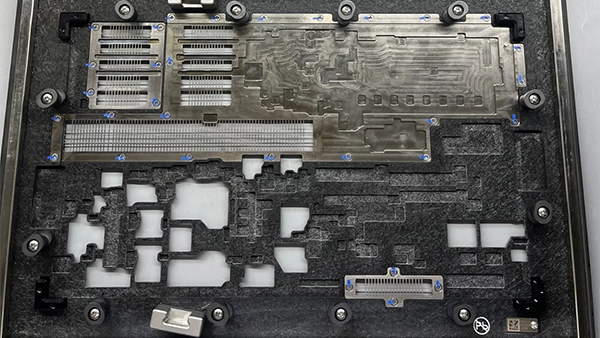
4 Engineering Bottlenecks Degrading High-Precision Component Fabrication
Manufacturing specialists, design engineers, and industrial sourcing managers frequently encounter rapid cutting tool degradation, excessive scrap volume, and severe internal material voids. Cutting intricate internal cavities directly from solid metal stock requires lengthy multi-axis machining passes that drain factory throughput. Component engineering teams continuously highlight four primary technical failure points across conventional solid subtractive machining operations.
Excessive Material Removal Generating Unusable Metal Scrap Waste
Carving complex structural housings out of solid metal billets wastes up to seventy percent of raw alloy stock during aggressive milling passes. High material loss drives up raw inventory procurement costs, creating severe financial strain for large-scale production projects. Consequently, component sourcing directors struggle to maintain reasonable unit manufacturing margins on complex automotive and aerospace parts. Investment casting forms near-net shape geometries directly, preserving valuable raw metal stock and cutting scrap waste drastically.
Extreme Cutting Tool Wear Elevating Per-Unit Machining Overhead
Machining hard alloy steels and titanium formulations causes severe thermal friction, rapidly blunting expensive carbide milling cutters and drill bits. Frequent cutting tool breakage forces machine operators to interrupt automated production shifts to replace worn tools manually. Therefore, machine shops incur high replacement tooling expenses and costly floor downtime during extended manufacturing runs. Pre-forming complex part outlines through precision casting minimizes heavy material removal, extending CNC tool lifespans significantly.
Hidden Porosity Defects Triggering Sudden Structural Part Failures
Conventional sand casting techniques trap air bubbles and slag inclusions inside thick metal walls during liquid alloy pouring steps. Unseen internal voids compromise mechanical shear strength, causing unexpected part fracture under intense thermal or physical stress in field environments. Thus, medical device and industrial control clients face catastrophic equipment failures and expensive product recall liabilities. Advanced investment casting utilizes vacuum-assisted liquid metal flow simulation to eliminate internal structural gas pockets completely.
Rigid Machining Reach Limits Restricting Intricate Internal Profiles
Standard CNC cutting tools cannot navigate deep undercuts, curved internal channels, or complex internal fluid chambers effectively. Engineers must redesign single complex housings into multiple smaller sub-assemblies, introducing extra joining hardware and potential leak paths. As a result, product development teams compromise original fluid dynamic designs and increase total assembly labor expenses. Lost-wax precision casting methods replicate intricate internal passageways effortlessly in single seamless metal castings.
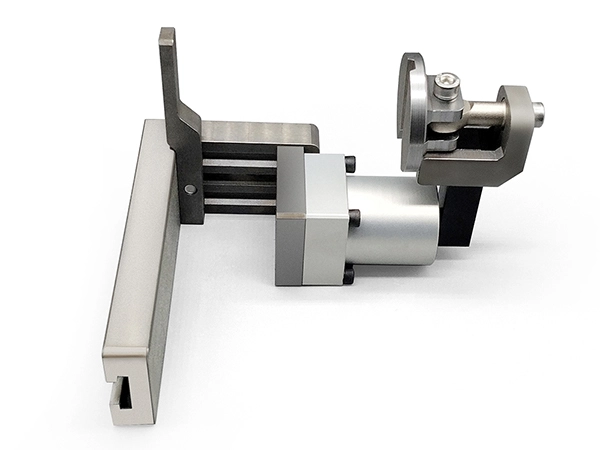
Technical Solutions: Precision Metal Casting & Hybrid Manufacturing
Our two thousand square meter ISO9001 certified facility combines investment casting, metallurgical grain refinement, and imported CNC lathe finishing.
High-Precision Ceramic Shell Investment Casting Technology
Utilizing advanced ceramic shell molds, this casting process reproduces intricate geometric contours with exceptional dimensional accuracy. Near-net-shape forming reduces secondary metal cutting steps by over eighty percent while achieving zero point zero two millimeter casting tolerances smoothly. Furthermore, check out our detailed technical-guide regarding alloy pouring temperatures, ceramic mold drying protocols, and shrinkage allowance calculations.
Micro-Alloy Grain Refinement for Superior Density
Integrating precise micro-alloying formulations refines internal grain structures during the molten metal cooling and solidification phases. High metallurgical density boosts ultimate tensile strength, wear resistance, and thermal conductivity across demanding operational environments. Consequently, cast components meet rigorous quality control checks easily, satisfying lead-free compliance standards and international quality requirements reliably.
Integrated CNC Hybrid Machining with Enterprise Cost Efficiency
Combining near-net precision casting with imported automated CNC lathes achieving zero point zero zero two millimeter accuracy maximizes manufacturing speed. Over forty sets of in-house processing equipment handle fine surface finishing, threaded holes, and critical mating faces in automated single passes. Additionally, direct factory production pricing delivers enterprise-grade metal casting and custom sheet metal processing services at an extraordinarily accessible, budget-friendly price point.
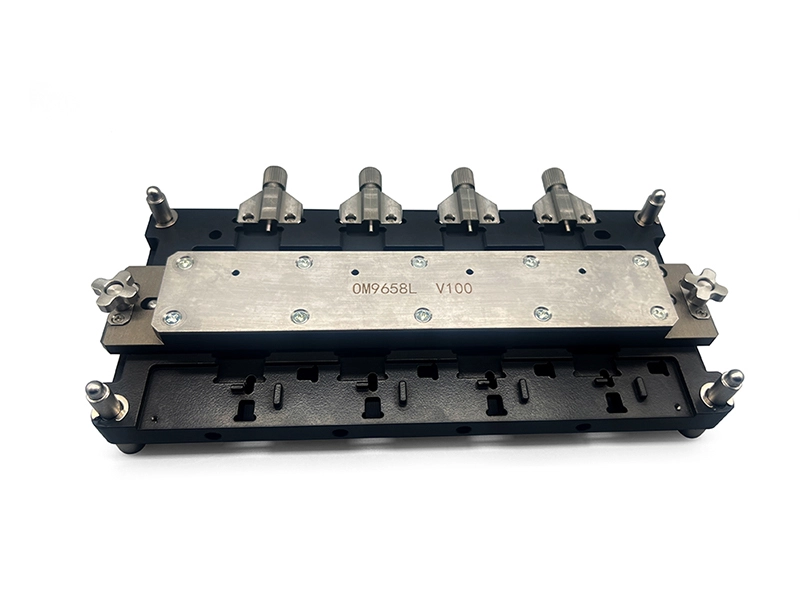
Technical Specifications & Casting Process Comparison
The chart below compares Investment Metal Casting against traditional sand casting methods and complete solid bar CNC subtractive machining.
| Process Feature Parameter | Precision Investment Casting | Traditional Sand Casting | Solid Bar CNC Machining |
| Dimensional Accuracy | 0.02 Millimeter Limit | 0.5 Millimeter Limit | 0.002 Millimeter Limit |
| Surface Roughness (Ra) | 1.6 Micrometers Smooth | 12.5 Micrometers Rough | 0.8 Micrometers Polished |
| Material Utilization Rate | Over 85 Percent Yield | 60 Percent Yield | 30 Percent Yield Only |
| Environmental Standard | Lead-Free Compliance | Partial Compliance | Lead-Free Compliance |
| Internal Void Risk | Ultra-Low Vacuum Poured | High Porosity Risk | Zero Void Risk |
| Factory Quality Level | ISO9001 Certified Plant | Unaccredited Standard | ISO9001 Certified Plant |
| Complex Profile Limit | Unlimited Internal Profiles | Basic Shape Profiles | Limited Tool Reach |
| Cost Performance | High Value (Near-Net) | Low Value (High Scrap) | Low Value (High Labor) |
Versatile Deployments Across Precision Industrial Sectors
Consider these primary commercial deployment scenarios when integrating high-precision metal casting solutions into your manufacturing workflow today.
-
Consumer Electronics Housings: Precision casting molds lightweight aluminum and zinc alloy enclosures with intricate internal mounting posts for portable devices.
-
Automotive Transmission Components: High-density steel castings produce durable shift forks, valve bodies, and sensor housings that resist continuous mechanical wear.
-
Medical Device Frameworks: Biocompatible stainless steel casting crafts ergonomic surgical instrument bodies and structural diagnostic chassis components accurately.
-
Telecommunications Hardware: High thermal conductivity alloy casting creates complex heat sinks and microwave filter enclosures with thin cooling fins.
Maximize your manufacturing precision and achieve the ultimate metal component investment value today! Browse our wide product-category selection to order your precision cast and machined metal parts now.