


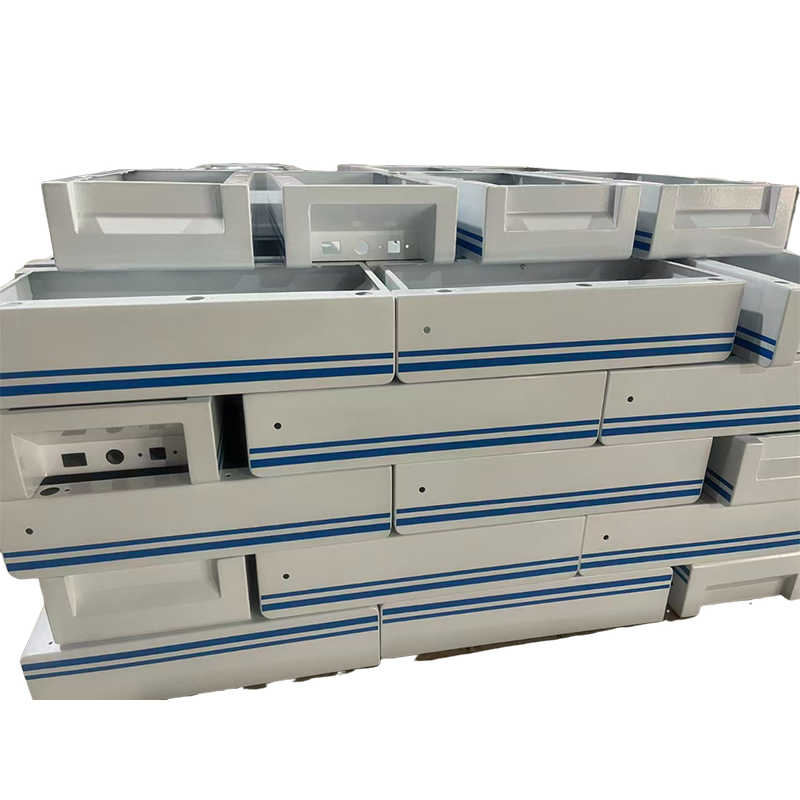




In 2026, sourcing precision components requires more than competitive pricing. CNC machined part manufacturers must balance dimensional accuracy, production flexibility, material compatibility, and consistent quality. For OEMs and industrial buyers, the right machining partner can simplify product development. Moreover, a capable supplier helps control manufacturing costs while meeting application-specific requirements.
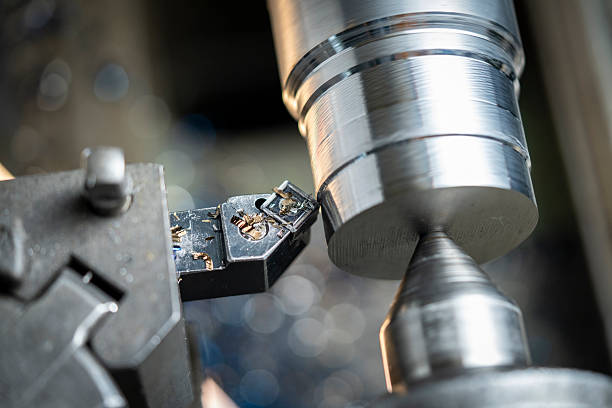
CNC milling plays an important role in modern component production. It uses rotating multi-edge cutting tools to remove material and create precise geometries. Consequently, manufacturers can produce flat surfaces, curved profiles, inclined features, and complex cavities. Understanding supplier capabilities helps buyers make better sourcing decisions.
Can CNC Machined Part Manufacturers Meet Your Tolerance Requirements?
Dimensional accuracy directly affects component assembly and product performance. However, different applications require different tolerance levels. Therefore, buyers should define critical dimensions before requesting quotations.
Evaluate Machining Capability and Inspection Methods
Experienced CNC machined part manufacturers review drawings, materials, and geometric requirements before production. They also assess machining sequences and suitable cutting tools. This process helps identify potential manufacturing challenges early.
For example, precision equipment may require close control over mating surfaces. Structural components may prioritize dimensional consistency and reliable assembly. Therefore, suppliers should align machining methods with each component’s functional requirements.
Ask suppliers to explain their inspection procedures. Also, request sample measurements for critical features. These records help engineering teams evaluate dimensional consistency before approving larger orders.
How Should Buyers Assess Material and Geometry Flexibility?
Industrial components vary widely in shape and material. Some projects require aluminum housings with complex cavities. Others involve steel fixtures, copper components, or non-metallic parts.
Match CNC Milling Processes to Component Design
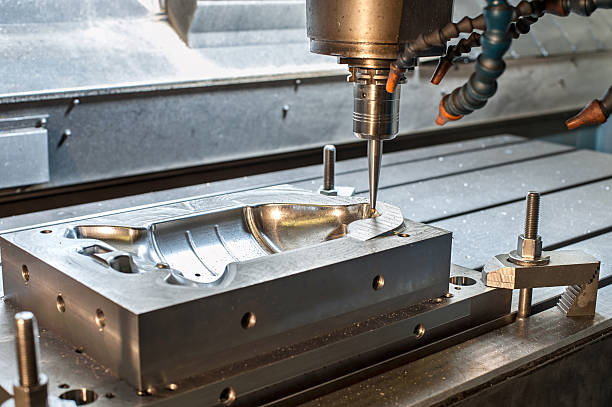
CNC milling supports a broad range of materials and geometries. Its rotating cutting tools remove material along programmed toolpaths. As a result, manufacturers can machine flat faces, slots, curved surfaces, and complex cavities.
However, material hardness and part geometry influence tool selection. Deep pockets may require specialized tooling and careful chip removal. Thin walls may also need suitable fixturing to manage deformation.
For B2B buyers, engineering flexibility supports more practical design decisions. Explore our CNC Machining Services to review potential manufacturing applications.

How Can Suppliers Balance Production Speed and Cost?
Production schedules affect inventory planning and product launches. Meanwhile, unit costs depend on machining time, material usage, tooling, and finishing requirements. Consequently, buyers should evaluate total manufacturing cost rather than unit price alone.
Compare Prototyping and Batch Production Capabilities
CNC milling supports both one-off prototypes and repeat production. Multi-edge cutting tools can remove material efficiently when the design and process allow. Additionally, suitable toolpaths can reduce unnecessary machining movements.
For prototypes, buyers may prioritize engineering feedback and design flexibility. For larger batches, repeatable setups and optimized machining sequences become more important. Therefore, suppliers should explain how they manage each production stage.
Request quotations with clear quantities and specifications. Also, confirm setup charges, finishing costs, inspection requirements, and delivery schedules. This approach helps purchasing teams compare offers on a consistent basis.
What Quality Controls Matter When Selecting CNC Milling Suppliers?
Consistent quality depends on more than machine capability. Material traceability, drawing control, tool condition, and inspection procedures also matter. Therefore, buyers should understand how suppliers manage quality throughout production.
Establish Clear Inspection and Acceptance Criteria
A structured quality process begins with reviewing the latest engineering drawings. Next, operators follow defined machining and inspection procedures. Finally, quality teams verify critical dimensions against agreed specifications.
For demanding applications, buyers can request dimensional inspection reports. They should also confirm material certificates when project requirements call for them. Furthermore, first-article inspection can help validate the production process before batch manufacturing.
For more engineering guidance, visit our CNC Machining Technical Guide. It can help your team prepare drawings and define manufacturing requirements.
Which Supplier Factors Matter Most for Long-Term OEM Cooperation?
A suitable supplier should support both current orders and future product changes. Clear communication helps engineering and purchasing teams resolve questions early. In addition, flexible production planning can accommodate changing demand.
Assess Technical Communication and Commercial Value
Before choosing CNC machined part manufacturers, review their ability to interpret technical drawings. Discuss material sourcing, surface finishing, inspection records, and order flexibility. Also, evaluate how clearly they communicate manufacturing constraints.
A supplier that identifies design adjustments early may help reduce unnecessary machining costs. For instance, standard tool sizes or accessible internal features can simplify production. Nevertheless, proposed changes should preserve the component’s required function.
For B2B purchasing, long-term value includes quality consistency, responsive engineering support, and predictable delivery. These factors help manufacturers manage sourcing risks while maintaining cost efficiency.
CNC Machining Supplier Evaluation Checklist
|
Evaluation Factor |
What Buyers Should Check |
Business Value |
|---|---|---|
|
Dimensional accuracy |
Drawing tolerances and inspection records |
Supports assembly consistency |
|
Material capability |
Compatible metals and non-metallic materials |
Matches application requirements |
|
Geometry flexibility |
Flat surfaces, cavities, curves, and angled features |
Supports complex component designs |
|
Production flexibility |
Prototype and batch machining capacity |
Accommodates changing order volumes |
|
Quality management |
Inspection procedures and traceability records |
Improves process visibility |
|
Surface finishing |
Available finishing processes and specifications |
Meets functional and appearance needs |
|
Certifications |
Applicable quality certifications and validity |
Supports project or industry requirements |
|
Quotation clarity |
Tooling, finishing, inspection, and delivery costs |
Improves cost planning |
Specific tolerances, certifications, and production capacity should be confirmed with each supplier. Requirements vary by material, design, and application.
Why Choose Professional CNC Milling Services?
CNC milling offers versatility across machinery, automotive, electronics, aerospace, and mold manufacturing. Its flexibility supports both straightforward components and complex geometries. Moreover, suitable process planning can improve material utilization and machining efficiency.
For OEM buyers, effective collaboration starts with complete drawings and clear specifications. A capable machining partner can review manufacturability, recommend suitable processes, and identify practical cost-saving opportunities. This approach supports quality-focused sourcing without adding unnecessary complexity.
When evaluating suppliers, prioritize verified capabilities and transparent communication. Also, compare sample quality, inspection methods, and commercial terms before making a purchasing decision.
Frequently Asked Questions
What should buyers send when requesting a CNC machining quotation?
Provide engineering drawings, material specifications, required quantities, tolerances, and finishing requirements. Include inspection or certification needs when applicable.
Can CNC milling support both prototypes and bulk orders?
Yes. CNC milling suits prototype development and batch production. The most appropriate process depends on geometry, material, quantities, and delivery requirements.
How can businesses improve CNC machining cost efficiency?
Simplify non-critical features where practical. Standardize materials when possible, clarify tolerances, and discuss manufacturability before production. These steps can help reduce avoidable machining time.
Which industries use precision CNC machined parts?
Common applications include automotive systems, industrial machinery, electronics, aerospace components, medical equipment, and molds. Specific requirements depend on the end product.
Choose the Right CNC Machining Partner in 2026
Selecting CNC machined part manufacturers requires a balanced review of precision, material capabilities, production flexibility, and quality management. For B2B buyers, the strongest sourcing decisions connect technical requirements with realistic budgets and delivery plans.
Explore our CNC Machining Services and CNC Machining Technical Guide. Share your drawings and project requirements to discuss suitable milling processes and request a customized quotation.