


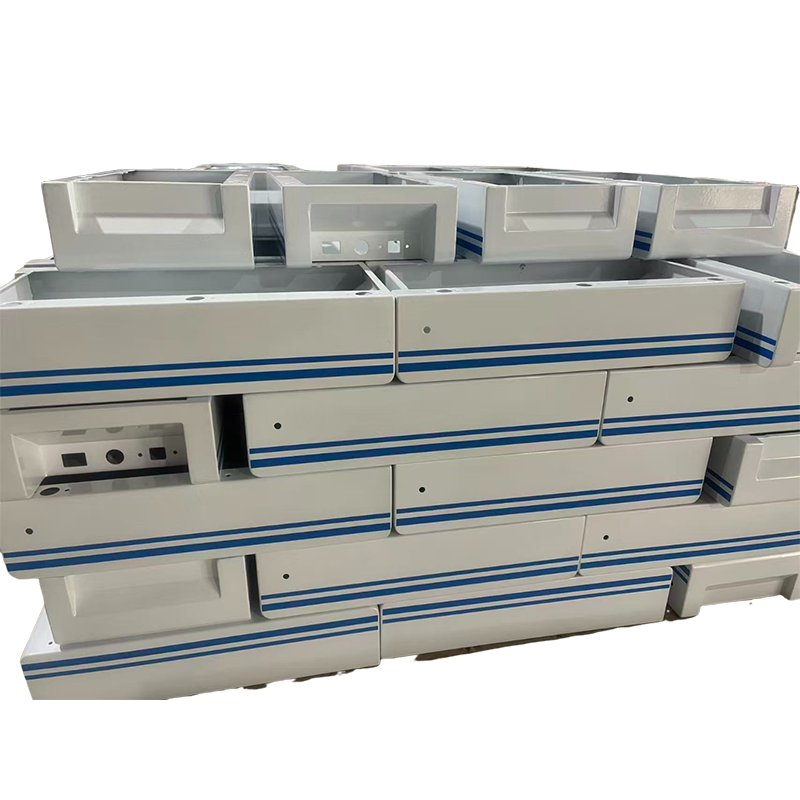




Modern engineering industries demand extreme dimensional accuracy across critical mechanical assemblies. Furthermore, conventional casting methods often fail to achieve tight tolerances during high-volume production runs. Today, specifying high-grade CNC machining parts provides superior geometric consistency and excellent structural integrity. Consequently, leading manufacturers guarantee ISO 9001 quality while maintaining lead-free compliance across international environmental standards.
At Shenzhen Chongxi Precision Metal Products Co., Ltd., we deliver custom components engineered for demanding applications. Therefore, design teams replace unstable molded fittings with high-precision metal hardware. Specifically, our multi-axis milling and turning centers process tough alloys with micron-level precision. Explore our product-category for advanced CNC components and specialized hardware solutions.
In addition, advanced anodizing color solutions transform every custom part into an attractive, corrosion-resistant component. Consequently, critical assemblies achieve exceptional wear resistance while maintaining vibrant, brand-specific aesthetic finishes. Furthermore, strict quality control protocols ensure seamless fit across complex aerospace, automotive, and electronic systems.

Manufacturing Challenges: Resolving 4 Engineering Issues
Industrial equipment manufacturers encounter severe component failure and tolerance stack-up obstacles with standard cast fittings. Below, we examine four primary manufacturing challenges and our technical precision solutions.
Excessive Dimensional Deviation in Complex Assemblies
Standard casting techniques produce inconsistent wall thicknesses and noticeable geometric warping. Specifically, thermal stress causes dimension drift during secondary cutting, leading to assembly misalignments. Therefore, high-precision engineering projects require computer-controlled subtractive machining processes. Consequently, adopting precision machined hardware components eliminates fitment errors across multi-part assemblies.
Example: An automotive sensor housing manufacturer experiences alignment failures during automated robotic assembly. Uncontrolled component tolerances create housing gaps, causing premature environmental fluid leaks during field operation. Check our technical-guide for CNC machining tolerance limits and surface roughness guidelines.
In contrast, multi-axis CNC milling holds strict tolerances down to ±0.005 mm smoothly. Furthermore, rigid machine setups prevent part deflection under high cutting tool forces. Thus, finished components mate perfectly with adjacent sub-assemblies during automated manufacturing operations.
Surface Oxidation and Rapid Material Wear
Unprotected metal hardware suffers rapid friction wear and chemical corrosion in harsh operating environments. Specifically, moisture exposure degrades bare aluminum surfaces, causing galling and mechanical failure. Therefore, industrial equipment designers require advanced surface passivation treatments. Consequently, integrating custom CNC metal parts with protective anodizing extends component operating life.
Example: An outdoor electronic housing suffers severe surface pitting after exposure to salt spray conditions. Corroded mounting threads seize completely, preventing necessary field maintenance and increasing replacement costs. In contrast, our anodizing color solutions form hard aluminum oxide protective layers. Thus, components resist severe environmental corrosion while maintaining accurate mounting thread dimensions.
Additionally, controlled electrolytic anodizing yields uniform oxide layer thickness across intricate internal features. Furthermore, specialized dye sealing locks in vibrant, custom brand colors without degrading base tolerances. As a result, critical assemblies maintain optimal surface hardness and refined visual appeal.
Excessive Material Waste and Prototyping Delays
Traditional tooling fabrication requires expensive molds and long lead times for initial design verification. Specifically, physical mold modifications cost thousands of dollars, delaying new product launches significantly. Therefore, agile hardware developers require direct CAD-to-part manufacturing flexibility. Consequently, choosing high precision CNC milling turning parts accelerates product development cycles.
Example: A medical device startup delays market launch by three months awaiting revised injection mold tooling. High initial tooling investments strain cash flow before validating product functionality in real field tests. In contrast, CNC machining produces functional metal prototypes directly from digital 3D CAD models.
Additionally, digital machining processes eliminate expensive hard tooling costs entirely during early design iterations. Consequently, engineering teams refine component features rapidly without incurring heavy financial penalties. Thus, medical tech companies launch optimized hardware products months ahead of competitors.
Poor Brand Differentiation and Surface Aesthetics
Generic raw metal components fail to communicate premium visual quality in competitive consumer technology markets. Specifically, visible tool marks diminish perceived product value, hurting customer brand loyalty over time. However, integrated precision machining and surface finishing elevate ordinary hardware into high-end retail products.
Example: High-end audio equipment manufacturers struggle to justify premium pricing using plain sandblasted aluminum panels. Unrefined surface textures collect fingerprint oil, hurting showroom presentation and brand perception. In contrast, our precision milling creates silky surface textures combined with rich, custom-anodized hues.
Moreover, repeatable color matching ensures strict visual uniformity across large commercial production batches. Consequently, brand managers establish strong visual identity and premium market positioning effortlessly. Thus, your hardware products project technical excellence and refined style across global markets.

Technical Solutions: Precision Machining and Anodizing Capabilities
Superior precision manufacturing merges high-speed CNC cutting technology, rigorous dimensional verification, and custom surface engineering. Furthermore, integrated production workflows shorten manufacturing lead times while guaranteeing strict structural quality.
Advanced Multi-Axis CNC Milling and Turning
Engineers operate state-of-the-art CNC machining centers to process aluminum, stainless steel, brass, and titanium. Specifically, automated tool changers perform multi-pass milling, drilling, tapping, and turning in single machine setups. Furthermore, rigid machine bases absorb vibrations, maintaining smooth surface finishes under heavy cutting loads. Consequently, OEMs rely on anodized color precision aluminum components for demanding structural roles.
In addition, multi-axis machining capabilities produce complex organic geometries without requiring manual re-clamping operations. Therefore, finished parts achieve superior concentricity and perpendicularity across all critical reference features. Consequently, delicate internal mechanisms operate smoothly without experiencing mechanical binding or excessive friction.
Precision Anodizing and Brand Color Customization
Chongxi integrates full-spectrum anodizing solutions to combine functional surface protection with customized aesthetic appeal. Specifically, advanced color control systems maintain tight hue tolerances across large-volume production runs. Furthermore, multi-stage sealing treatments maximize wear durability, chemical resistance, and surface hardness ratings. Discover options in our product-category custom hardware finishing catalog.
Moreover, protective custom packaging prevents surface scratches and handling damage during international freight transit. Thus, global buyers receive flawless, factory-direct components ready for immediate assembly line installation. Consequently, client manufacturing operations run continuously without product quality interruptions.
Product Parameter & Specification Overview
Review key technical specifications comparing traditional die casting against our Precision CNC Machining & Anodizing Solutions.
| Technical Parameter / Feature | Traditional Metal Die Casting | Custom Precision CNC Machining | Technical Advantage & Business Value |
| Dimensional Tolerance | ±0.05 mm to ±0.10 mm | ±0.005 mm to ±0.01 mm | Eliminates Assembly Gaps & Fitment Errors |
| Material Density & Strength | Porous Internal Structure | Solid Wrought Alloy Billets | Maximizes Structural Load & Fatigue Life |
| Surface Roughness (Ra) | Ra 3.2 µm to Ra 6.3 µm | Ra 0.8 µm to Ra 1.6 µm | Reduces Mechanical Friction & Component Wear |
| Surface Treatment Finish | Standard Powder Coating | Precision Anodizing & Color Dyeing | Enhances Corrosion Resistance & Brand Appeal |
| Initial Tooling Cost | High Injection Mold Costs | Zero Tooling Investment Required | Accelerates Prototyping & Lowers Upfront Cost |
| Production Flexibility | Low Flexibility for Changes | Direct CAD/CAM Program Updates | Supports Rapid Design Revisions Effortlessly |
Versatile Applications in Precision Engineering Industries
Modern technology manufacturers demand reliable, high-precision metal components that perform consistently under extreme operating conditions. Furthermore, custom CNC machined parts adapt seamlessly across diverse high-tech industrial sectors.
For instance, automotive engineers deploy CNC machined aluminum housings for sensitive electronic control units. Specifically, precision sealing grooves keep moisture out, while custom anodizing dissipates internal heat efficiently. Consequently, critical engine electronics operate safely inside harsh vehicle environments. Learn more in our technical-guide CNC precision engineering manual.
Additionally, aerospace firms and medical device makers utilize custom milling components for lightweight structural frames. High strength-to-weight ratio alloys reduce overall assembly weight, while smooth surface finishes simplify sterilization routines. Thus, medical OEMs launch reliable life-saving equipment with complete technical confidence. Therefore, Chongxi precision CNC machining and anodizing solutions successfully merge tight dimensional accuracy, exceptional durability, and refined visual aesthetics.