






Imagine a passenger jet flying at 35,000 feet. Now, picture a robotic surgical arm repairing a human heart. Both scenarios require flawless performance. In these industries, a single component failure can cause catastrophic results. That is why standard off-the-shelf components simply will not suffice. Manufacturers must rely on specialized production methods.
Specifically, high precision customized cnc turning parts form the backbone of these critical applications. This article explores why custom CNC turning is indispensable for modern aerospace and medical technology.
The Essence of Precision CNC Turning
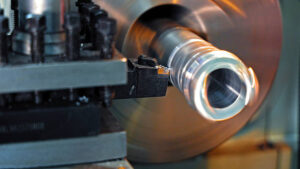
CNC turning rotates a raw material piece against a cutting tool. This process creates cylindrical shapes with exact dimensions. Modern computer numerical control (CNC) machines operate with incredible accuracy. They routinely achieve tolerances measured in microns.
Beyond Standard Machining
Standard machining works well for everyday consumer goods. However, advanced industries demand unique geometries. Customization allows engineers to tweak designs for specific stress loads. It also helps optimize fluid dynamics and reduce component weight.
Advanced Material Capabilities
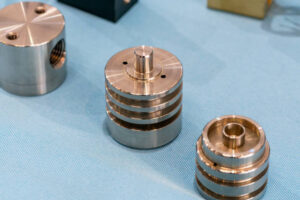
Aerospace and medical designs require exotic metals. Titanium, Inconel, and implant-grade stainless steel are standard choices. These metals resist heat and corrosion beautifully. However, they are incredibly difficult to cut. Custom CNC turning centers utilize specialized tooling to shape these stubborn materials efficiently.
Aerospace Demands: Weight Reduction and Extreme Durability
The aerospace sector operates under extreme environmental conditions. Components must withstand intense pressure variations. They also face massive thermal cycles every single day. Therefore, material integrity is absolutely vital.
Achieving Optimal Strength-to-Weight Ratios
Weight is the ultimate enemy in aerospace engineering. Lighter aircraft consume less fuel. Consequently, they emit fewer carbon emissions. Custom CNC turning creates hollow shafts, thin-walled tubes, and complex fasteners. These customized manufacturing techniques remove excess material without sacrificing structural strength.
Compliance with Strict Safety Standards
Aerospace parts must meet rigid AS9100 quality standards. Traceability is mandatory for every single batch. Custom CNC shops provide full material certifications. They also offer detailed dimensional reports for every manufacturing run. You can learn more about this by reading our deep dive into Aerospace Material Certification Processes.
Medical Applications: Biocompatibility and Micron Accuracy
Medical device manufacturing carries a unique set of responsibilities. Human lives depend directly on tool reliability. Therefore, there is zero room for error.
Navigating Complex Geometries
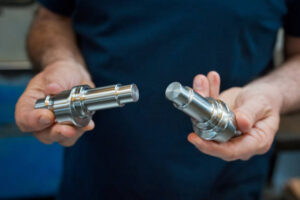
Surgeons utilize highly intricate tools for minimally invasive procedures. Bone screws, dental implants, and endoscopic camera housings require micro-machining. Custom CNC turning lathes easily handle these tiny, complex shapes. They ensure smooth surfaces that prevent bacterial growth.
Ensuring Absolute Biocompatibility
Medical implants must remain inside the human body for decades. Thus, the raw material must not trigger immune responses. Titanium grade 5 and PEEK plastics are ideal choices. Custom CNC turning processes maintain the purity of these materials. They completely avoid cross-contamination from coolant fluids.
Comparing Aerospace and Medical CNC Turning Needs
While both sectors require extreme precision machining, their focus areas differ slightly. The table below outlines the core differences in manufacturing priorities.
| Feature / Requirement | Aerospace Applications | Medical Applications |
| Primary Focus | High structural durability and low weight | Complete biocompatibility and micro-scales |
| Common Materials | Titanium alloys, Inconel, Aluminum 7075 | Implant-grade Titanium, PEEK, 316L Stainless |
| Key Components | Turbine shafts, fuel nozzles, hydraulic valves | Bone screws, pacemaker cases, surgical tools |
| Core Certification | AS9100 / NADCAP | ISO 13485 / FDA compliance |
The Financial Value of Customization
Some procurement managers hesitate at the cost of custom manufacturing. They often look at standard catalog parts first. However, custom parts save money in the long run.
Reducing Assembly Times
Standard parts often require secondary modifications on the assembly line. This extra work slows down production. In contrast, customized CNC turning parts arrive ready for immediate installation. They fit perfectly into your assembly ecosystem the first time.
Extending Product Lifespan
Custom parts are designed for specific operational stresses. As a result, they wear down much slower than generic alternatives. This longevity reduces maintenance costs. It also prevents unexpected equipment downtime in hospitals or airfields. Feel free to check out our comprehensive guide on Maximizing Industrial Component Lifespan for more tips.
Selecting the Ideal CNC Turning Partner
Not all machine shops can handle high-stakes production. You need a partner with specific technical capabilities. Look for vendors who invest heavily in multi-axis Swiss-type turning lathes. These machines complete complex operations in a single setup. This capability eliminates human positioning errors entirely.
Furthermore, verify their inspection laboratory equipment. A top-tier manufacturer uses automated coordinate measuring machines (CMM). They also utilize optical comparators for non-contact measurements. These tools guarantee that your CNC turning for medical devices meets every design blueprint.
Final Thoughts
Aerospace and medical applications will continue to push technology boundaries. Devices are becoming smaller, lighter, and more complex every year. Standard manufacturing methods simply cannot keep pace with this rapid evolution.
Investing in high precision customized cnc turning parts is no longer optional. It is a strategic necessity for market leaders. These components ensure safety, optimize performance, and guarantee long-term reliability.
Are you looking to elevate your next engineering project? Contact our engineering team today to review your technical drawings.