


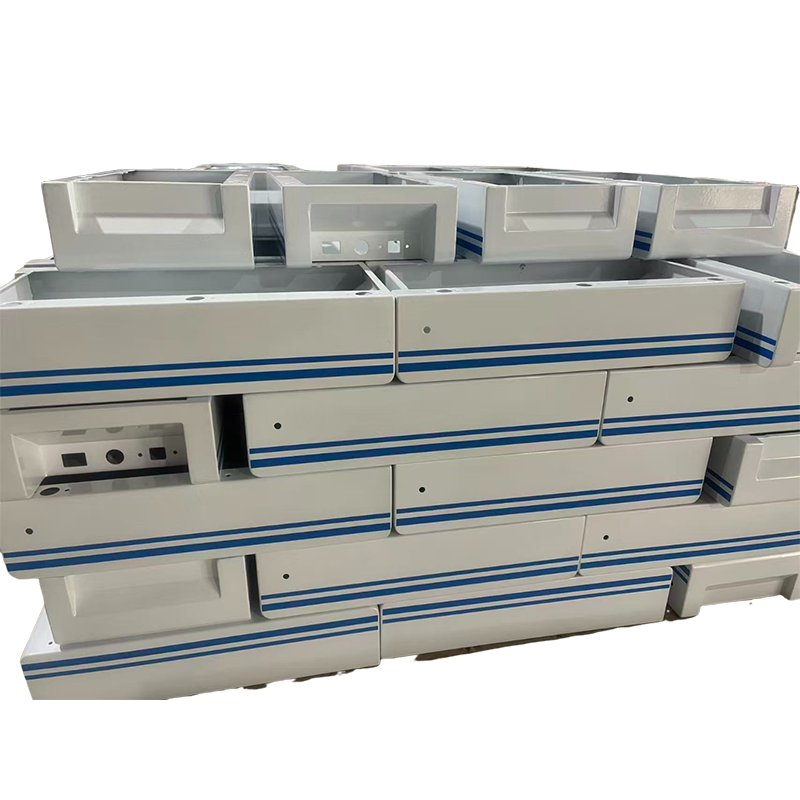




The modern automotive industry evolves rapidly. Electric vehicles require lighter components. High-performance engines demand strict tolerances. Therefore, manufacturers need scalable production methods. Machining CNC parts provides the ultimate solution. Furthermore, advanced metal cutting ensures maximum repeatability. Automotive engineers rely on automated precision today. Consequently, custom component fabrication meets strict quality standards. Moreover, lead-free compliance ensures sustainable manufacturing goals. As a result, automotive supply chains run faster.
Key Challenges in Modern Automotive Manufacturing
Stringent Tolerance Demands in Engine Components
Modern engine systems operate under high pressure. Standard manufacturing methods often cause geometric defects. Therefore, small variance leads to immediate component failure. Precision CNC milling machine technology solves this issue easily. Consequently, engineers achieve micron-level accuracy across production runs.
Fast Prototyping for Electric Vehicle Assemblies
EV designs change faster than traditional platforms. Rapid prototyping must match high speed demands. Traditional tooling takes weeks to configure properly. However, automated CNC lathe machining reduces setup time drastically. Thus, developers test lightweight alloys without long delays.
Material Versatility for Complex Structural Parts
Vehicles use titanium, aluminum, and hardened steel. Processing diverse materials requires highly adaptable equipment. Standard tools wear out quickly during heavy cutting. Fortunately, advanced vertical milling machines handle tough alloys smoothly. Hence, manufacturers reduce material waste significantly during production.

Advanced Technical Solutions for Automotive Scalability
Precision CNC Milling Capabilities
Automated cutting platforms deliver unmatched dimensional control. Multi-axis systems maintain tolerances within ±0.005 millimeters consistently. Furthermore, digital controls optimize tool paths automatically. Therefore, high-speed spindles process complex geometries effortlessly. Explore our comprehensive automotive CNC component lineup to upgrade your operations.
Versatile Lathe and Milling Equipment Integration
There are various types of milling machines. Each system handles specific machining tasks efficiently. Common types include horizontal milling machines today. Vertical milling machines and CNC milling machines excel. Universal milling machines complete complex multi-axis work.
Horizontal milling machines perform heavy-duty cutting perfectly. They offer excellent stability for large workpieces. Vertical milling machines suit detailed precision work best. They excel in custom tool manufacturing applications. Meanwhile, CNC milling machines achieve superior repeatability. Thus, they drive modern automated industrial production efficiently. Finally, universal milling machines combine multiple operational functions. They perform both horizontal and vertical operations smoothly.
Milling machines support critical automotive manufacturing processes. They produce precision components and complex parts daily. Learn more through our detailed CNC machining technical guide online.

Performance and Certification Standards Comparison
| Machining Feature | Standard Lathe Machining | Advanced Precision CNC |
| Dimensional Tolerance | ±0.05 mm | ±0.005 mm |
| Environmental Compliance | Basic Standard | Lead-free compliance (RoHS) |
| Quality Certification | ISO 9001 | IATF 16949 / ISO 9001 |
| Production Repeatability | Moderate | 99.99% Automated Consistency |
| Material Compatibility | Standard Steels | Aluminum, Titanium, Inconel |
Driving the Future of Automotive Components
Automotive innovation depends on precise hardware execution. High-grade CNC machining delivers reliability at scale. Furthermore, smart automation reduces overall cycle times. Consequently, automotive brands stay competitive in dynamic markets. Partner with proven machining experts today. Upgrade your vehicle component production immediately.