


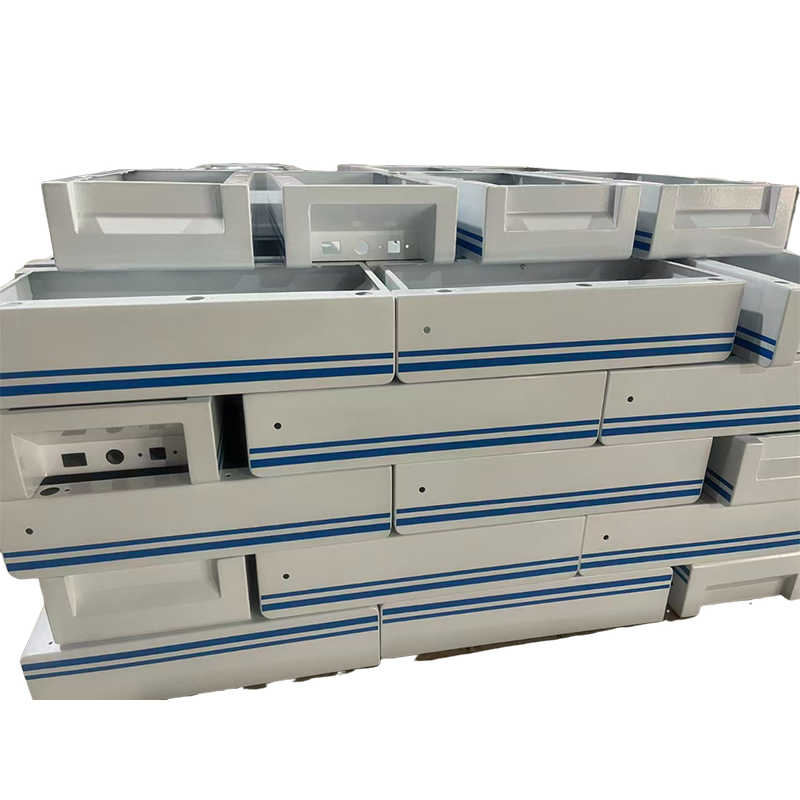




OEM projects demand consistent quality, predictable budgets, and dependable delivery. Reliable cnc machined part manufacturers help buyers achieve these goals through precision milling, optimized material use, and practical production planning. By selecting suitable materials, simplifying machining operations, and controlling tolerances, OEMs can manage costs throughout production.
Moreover, custom CNC machined parts support specific assembly requirements across automotive, electronics, aerospace, medical devices, and industrial equipment. The right CNC milling machining partner can balance engineering needs with long-term purchasing value.

How Can Material Selection Reduce OEM Manufacturing Costs?
Material costs influence the total budget for every custom component. However, the cheapest raw material may not suit the operating environment. OEM buyers should consider strength, machinability, weight, corrosion resistance, and service conditions together.
Match Material Properties to Actual Requirements
Experienced cnc machined part manufacturers help engineers select materials based on functional needs. Aluminum alloys suit many lightweight housings and structural components. Stainless steel supports applications that require corrosion resistance. Engineering plastics work well for selected insulating or low-friction parts.
Additionally, suitable material dimensions can reduce unnecessary stock removal. This approach helps control machining time and material waste. It also supports better cost planning across repeat orders.
For example, buyers can compare these material options during quotation:
|
Material |
Common OEM Applications |
Cost Planning Consideration |
|---|---|---|
|
Aluminum alloys |
Housings, brackets, lightweight frames |
Low weight and efficient machining |
|
Stainless steel |
Fittings, shafts, corrosion-resistant components |
Material grade and cutting time |
|
Brass |
Connectors, precision fittings |
Machinability and material price |
|
Engineering plastics |
Insulators, covers, low-load components |
Application temperature and mechanical loads |
Ultimately, material selection should reflect the part’s working conditions. Discussing requirements early helps avoid unnecessary material costs.

Can Better Part Design Lower CNC Machining Expenses?
Complex geometry can increase programming time, tool changes, and setup requirements. Tight tolerances across every feature may also require additional inspection. Therefore, OEM design teams should distinguish essential specifications from preferences.
Simplify Features Without Compromising Function
A practical design review identifies opportunities to streamline machining. For instance, standard hole sizes may simplify tool selection. Consistent internal radii can accommodate common cutting tools. Accessible features can also reduce repositioning during production.
Furthermore, engineers should apply tight tolerances only where assembly or performance requires them. Noncritical surfaces may allow broader tolerances when engineering requirements permit. This strategy can reduce machining and inspection demands.
Before approving a design, OEM buyers can review these factors with cnc machined part manufacturers:
-
Feature accessibility and tool clearance
-
Hole sizes and internal corner radii
-
Critical dimensions and tolerance requirements
-
Surface finish requirements for each functional area
-
Opportunities to combine or simplify machining operations
For more design guidance, explore our CNC Machining Technical Guide. Early collaboration can help teams maintain function while improving manufacturability.

How Does Production Planning Improve Cost Efficiency?
Small prototype orders and recurring OEM batches have different production needs. A single custom part may require dedicated setup and programming. Meanwhile, repeat orders can spread these preparation costs across more components.
Align Batch Size With Demand Forecasts
OEM buyers should consider annual demand, inventory capacity, and product lifecycle. A larger batch may lower setup cost per part. However, smaller batches may suit pilot programs or products with changing specifications.
Additionally, repeatable fixtures and established machining programs can support consistent production. Suppliers can review batch sizes, machining sequences, and delivery schedules together. This coordination helps buyers balance unit cost against inventory investment.
Consider these planning scenarios:
|
Production Scenario |
Suitable Approach |
Main Cost Consideration |
|---|---|---|
|
Prototype development |
Small initial batch |
Design validation and setup |
|
Regular OEM demand |
Scheduled repeat batches |
Setup cost distribution |
|
Variable demand |
Flexible production planning |
Inventory and storage costs |
|
High-volume orders |
Process and fixture optimization |
Cycle time and quality consistency |
For tailored production options, visit our CNC Milling Services. A clear forecast helps suppliers plan capacity and quote more accurately.
How Can Quality Control Reduce Total Ownership Costs?
Unit price alone does not represent the complete cost of an OEM component. Dimensional consistency, surface quality, and reliable inspection records also influence assembly efficiency. Therefore, buyers should evaluate quality systems alongside quotation details.
Build Inspection Into the Manufacturing Process
Professional cnc machined part manufacturers can establish inspection plans around critical dimensions. They may use calibrated measuring instruments and suitable inspection methods. First-article inspection can confirm whether initial parts meet drawing requirements.
Moreover, in-process checks help identify dimensional variation during production. Final inspection provides another opportunity to verify agreed specifications. Together, these steps support consistent quality across repeat orders.
OEM buyers should confirm the following before placing orders:
-
Material specifications and traceability requirements
-
Inspection criteria for critical dimensions
-
Surface finish and visual acceptance standards
-
First-article approval and reporting needs
-
Packaging and handling requirements
These controls should match the component’s risk and intended use. A suitable inspection plan protects product quality without adding unnecessary checks.
How Should OEMs Evaluate CNC Suppliers for Long-Term Value?
A competitive quotation matters, but supplier capability also affects project costs. Clear communication helps teams resolve drawing questions before production begins. Stable processes can support repeat orders and reduce avoidable engineering changes.
Compare Complete Quotation Details
Ask each supplier to clarify material costs, machining operations, finishing, inspection, packaging, and delivery. Also confirm the quotation’s assumptions and validity period. This creates a more consistent basis for purchasing decisions.
The following checklist helps OEM buyers assess supplier value:
|
Evaluation Factor |
What Buyers Should Confirm |
Business Benefit |
|---|---|---|
|
Machining capability |
Materials, geometry, and tolerance range |
Better technical fit |
|
Quality management |
Inspection process and documentation |
More consistent parts |
|
Production capacity |
Batch size and lead time |
Improved planning |
|
Customization support |
Drawing review and design feedback |
More efficient development |
|
Quotation transparency |
Cost breakdown and order assumptions |
Clearer budget control |
In addition, review sample parts and communication quality when practical. A supplier that understands your application can support smoother product development. Long-term cooperation may also simplify repeat ordering and specification management.
Reduce Costs Through Smarter CNC Sourcing
Reducing OEM production costs requires more than negotiating a lower unit price. Instead, combine appropriate materials, manufacturable designs, efficient batch planning, and risk-based quality control. These decisions help protect product performance while improving cost predictability.
Reliable cnc machined part manufacturers can support this process through precision milling and responsive engineering cooperation. For OEM buyers, the best sourcing decision balances dimensional accuracy, consistent quality, production flexibility, and overall value.
Share your drawings, material requirements, target quantities, and inspection needs with a qualified CNC milling supplier. This information helps the supplier assess feasibility and prepare a quotation aligned with your project goals.